
Gravity Die Casting or Pressure Die Casting: Choosing by What the Part Has to Do
Both run metal into a reusable steel die, but they suit different parts. Wall thickness, volume and whether the casting will be heat treated or pressure tested decide which one you need.
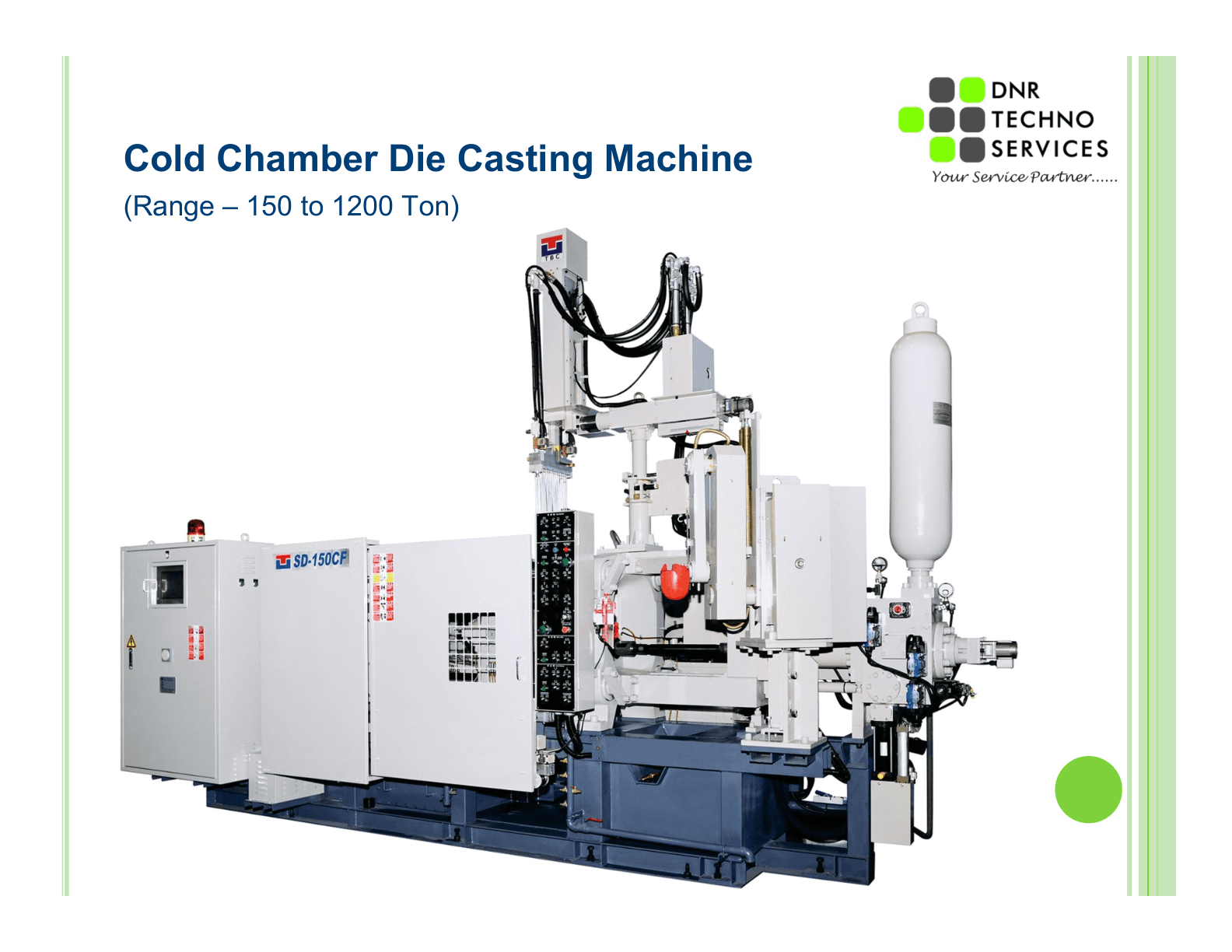
Both processes pour metal into a reusable steel die, which is why they get compared. What separates them is how the metal gets there, and that has consequences for the part you can make.
The mechanical difference
Gravity die casting fills the die under the weight of the metal alone. Metal is poured into a runner and flows down into the cavity. Fill is relatively slow and the metal stays comparatively calm as it enters.
Pressure die casting injects metal into the die under high pressure at high velocity. Fill is measured in fractions of a second.
Everything below follows from that.
Where gravity die casting is the better answer
Thicker sections. Slow, calm filling lets the casting solidify more progressively, which suits parts with heavier walls.
Parts that will be heat treated. This is the decisive one for many buyers. Fast, turbulent injection entraps air in the casting. When a part with entrapped gas is heat treated, that gas expands and blisters the surface. Gravity castings carry far less entrapped gas, so they take solution treatment and ageing far more readily.
Parts that must hold pressure. Porosity from entrapped gas is what causes leaks. For housings and parts that face a pressure test, lower gas content is worth more than a shorter cycle.
Moderate volumes. Tooling is less expensive than high pressure die casting tooling, so gravity makes sense when annual volume does not justify the heavier tool spend.
Where pressure die casting wins
Thin walls. Nothing else fills a thin section reliably. If the design calls for walls that gravity simply cannot fill before the metal freezes, the decision is made.
High volume. Cycles are far shorter and the process automates well, so the cost per part at volume is lower despite the higher tooling cost.
Tight dimensional control and better as-cast surface. Pressure castings typically need less machining afterwards, which matters once you count the whole manufacturing cost rather than just the casting.
Complex geometry. Fine detail, thin ribs and bosses fill under pressure in a way they will not under gravity.
A practical way to decide
Work through these in order and the answer usually appears:
- Does the part need heat treatment or a pressure test? If yes, gravity deserves serious consideration.
- Are there walls too thin to fill under gravity? If yes, pressure die casting, and the first question becomes a design problem to solve.
- What is the annual volume? High volume shifts the economics towards pressure casting even where gravity would work.
- How much machining follows? A better as-cast surface can offset a higher tooling cost.
- What alloy? This narrows the machine type within pressure die casting — see hot chamber vs cold chamber.
Where it is not either-or
Plenty of plants run both, because their part mix genuinely needs both. Sanitaryware is a common example: brass bodies that face a pressure test are often gravity cast, while smaller components in the same assembly suit pressure casting.
DNR Techno Services supplies and supports both — aluminium gravity die casting machines, brass gravity die casting machines, and cold chamber pressure die casting machines — together with installation, commissioning and service support. If you are deciding between processes for a specific part, share the drawing requirements and volume through the contact page.